
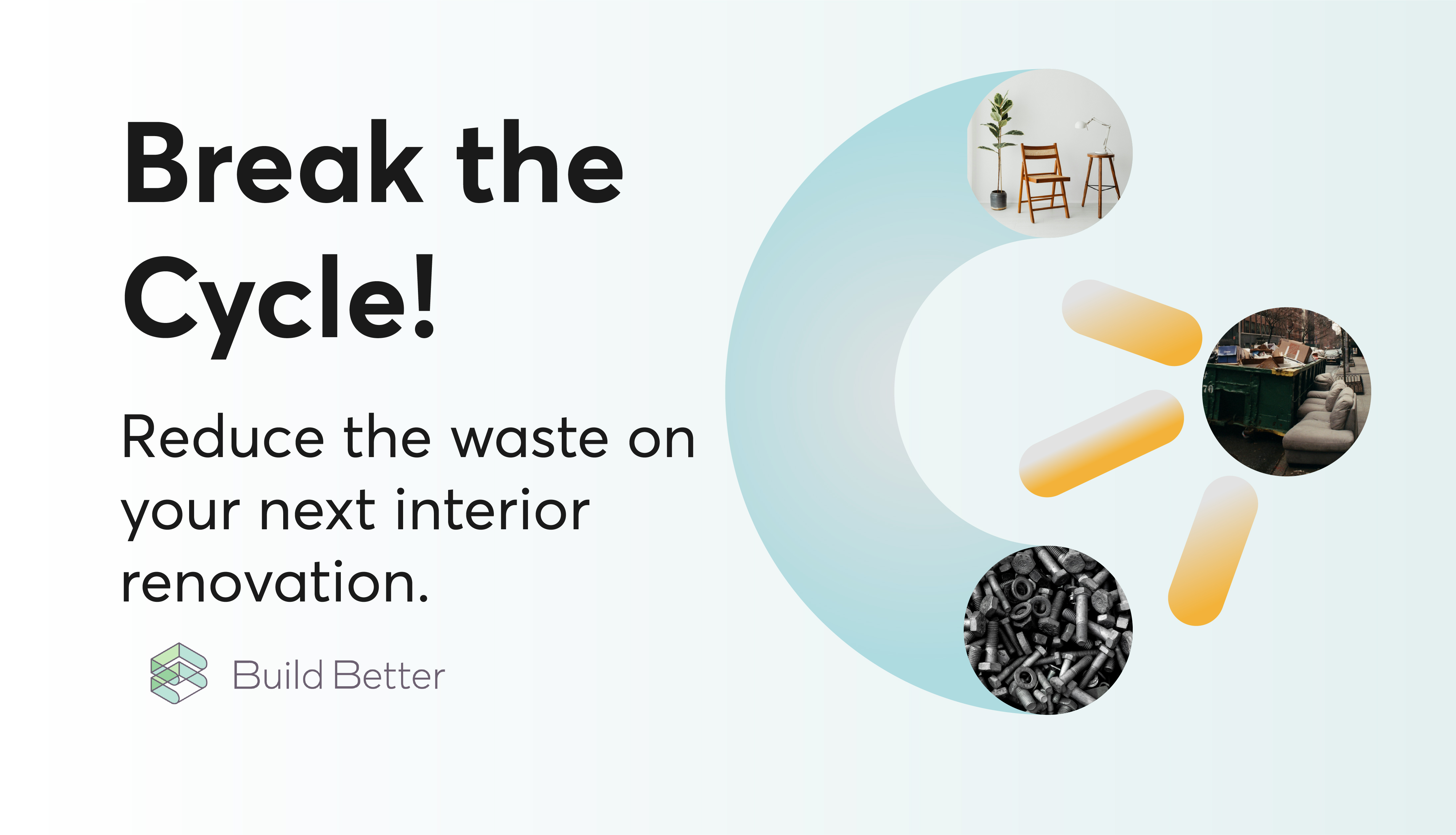
In the pursuit of Net-Zero, the industry has focused heavily on the "Base Build"—the concrete and steel. However, a silent carbon crisis is occurring inside the walls. Commercial leases average 5–7 years, and each turnover can trigger a substantial interior renovation.
Over a building's 50-year lifespan, the total embodied carbon from repeated fit-outs can actually exceed the carbon footprint of the original structure. In 2026, the "Fit-out Reckoning" requires us to treat interior materials as recoverable assets, not disposable debris.
Evidence: Information Gain
Technical Data: Research from the Carbon Leadership Forum (CLF) indicates that for high-turnover office assets, interior renovations can contribute up to **40%** of total whole-life carbon emissions if circular design principles are ignored.
Cumulative Embodied Carbon: Traditional vs. Modular
Metric tons of CO₂e over 20-year operational cycle (Standard US Office Asset)
Specifying for the 5-Year Turnover
Demountable Partitions
Stop specifying drywall for interior offices. Switch to modular glass and metal systems that can be unbolted and re-sold as Tier 2 assets.
Material Passports
Every task chair and workstation should be tagged with a QR code linked to its Digital Product Passport to enable tracking, refurbishment, and "buy-back" circularity.